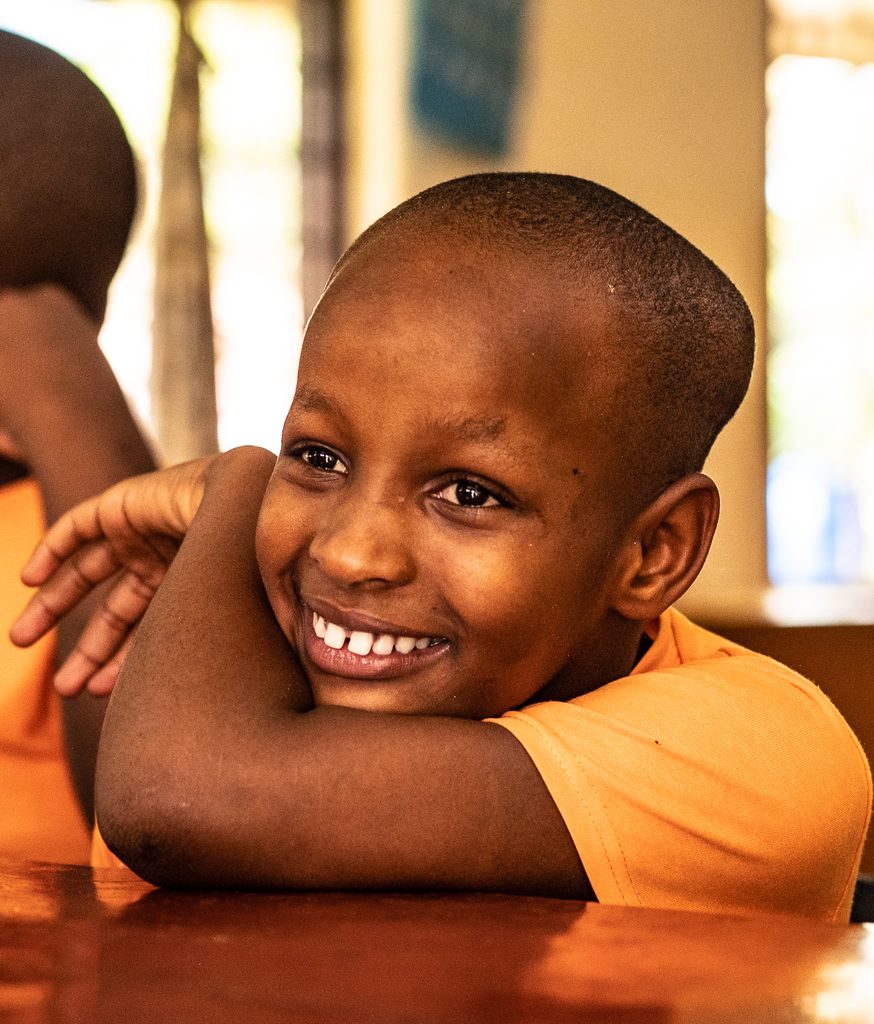
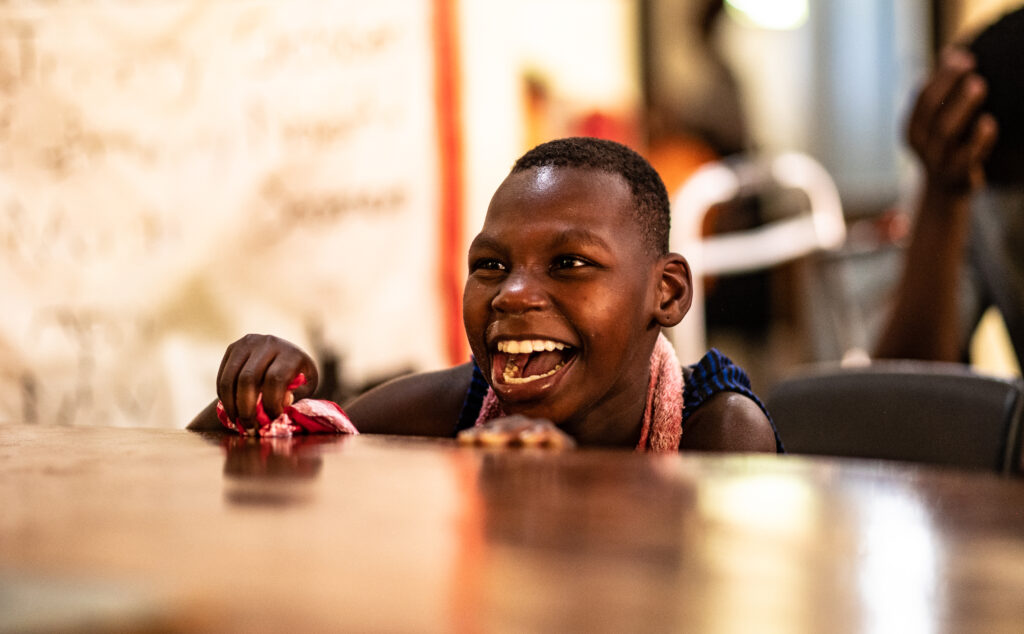
The special Needs program began at New Hope Uganda in 2009 and was born out of the scripture, 2 Corinthians 4:7 – But we have this treasure in jars of clay, to show that the surpassing power belongs to God and not to us.
At New Hope Uganda, the TIJOC family (Treasures in Jars of Clay) is a special needs program caring for children with autism, Down syndrome, hydrocephalus, and cerebral palsy, among others. Today, we are glad to share that program with 215 incredible children, 17 being in the program and 198 as part of the outreach activities. Many of them once faced rejection because of their disabilities, which is in line with the negative cultural beliefs and norms, however, upon being invited in the special needs program they have found acceptance, belonging, hope, and love.
Your generosity has made this possible. Because of you, these children are not defined by their challenges but celebrated for their worth. Every gift you give is a lifeline, providing medical care, assistive devices, and other specialized support that allows them to thrive.
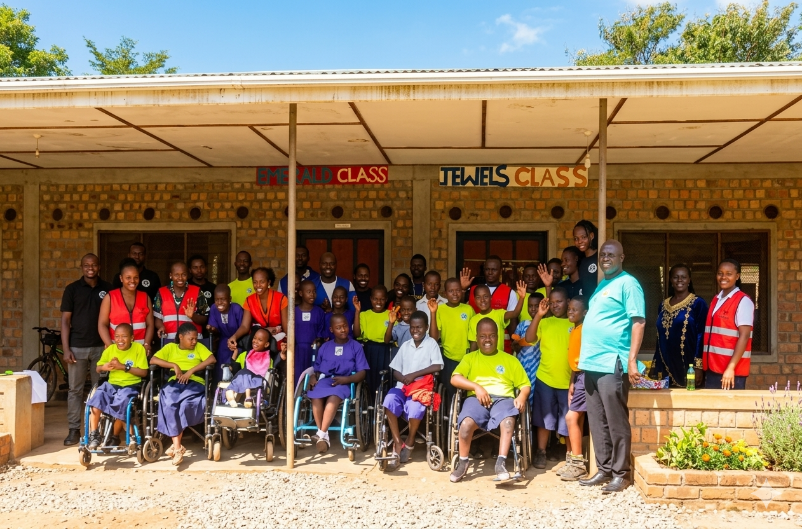
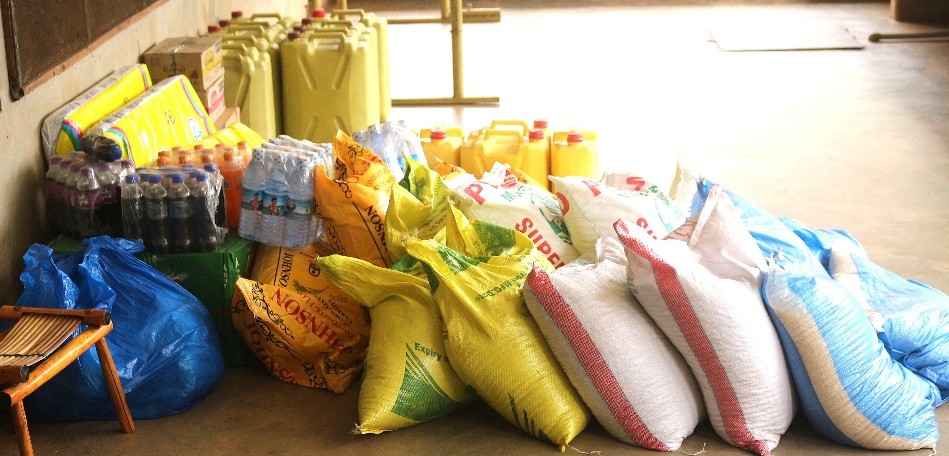
On May 29th, the Arise and Shine Online Prayer Altar charitable group visited TIJOC. With hearts full of compassion, they brought food items, drinks, and supplies valued at over 3 million Uganda Shillings–just to celebrate and share life with our special needs staff and children.
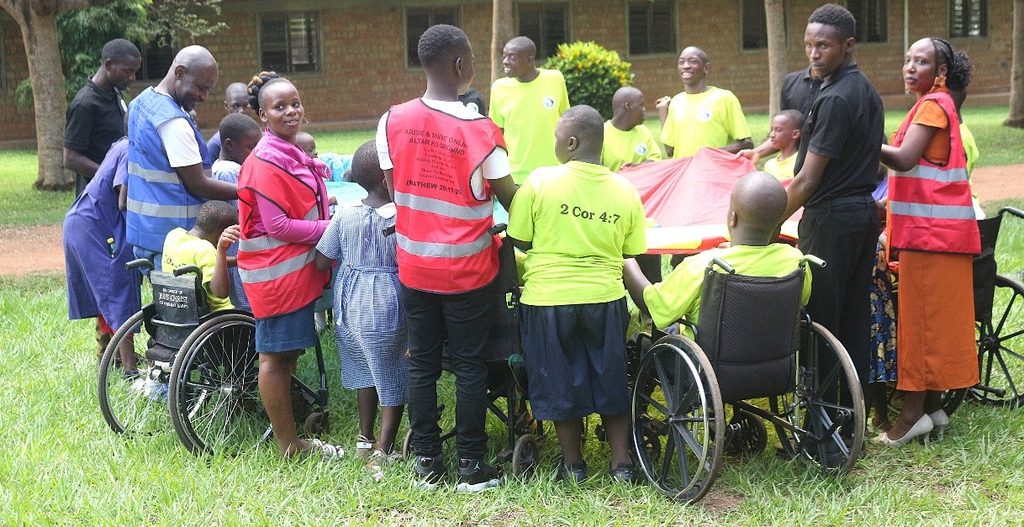
Outreaches That Bring Hope
TIJOC extends care beyond its walls through its outreach programs. Each month, children with physiotherapy needs come to Kasana to receive medical support from our dedicated therapist. Every quarter, special needs children and their caretakers gather for a full day of fellowship, which includes praise and worship, the Word of God from the invited seasoned speakers, medical checkups, and encouragement.
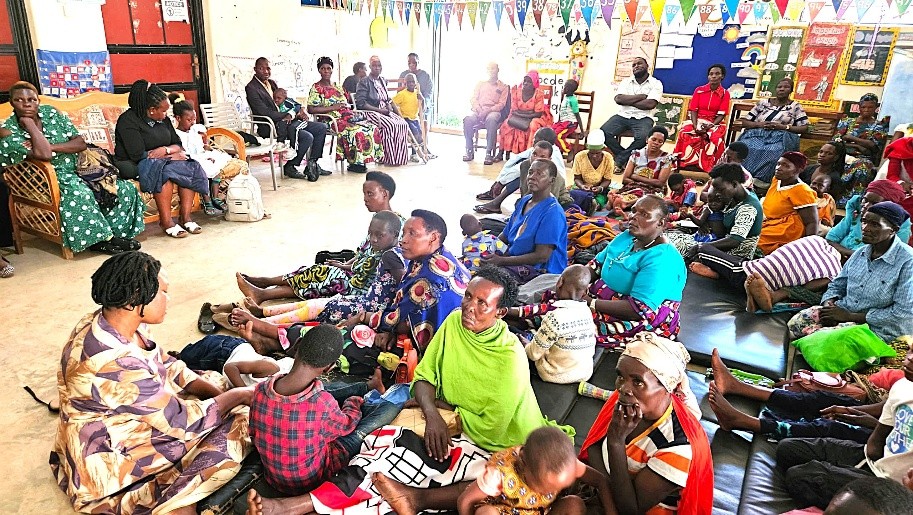
The outreaches inspire hope, encouragement, and provide knowledge and skills to the caretakers on nurturing their children. Caretakers leave feeling encouraged and empowered. Children have received medical attention and nutritional support. These outreaches are such a success.
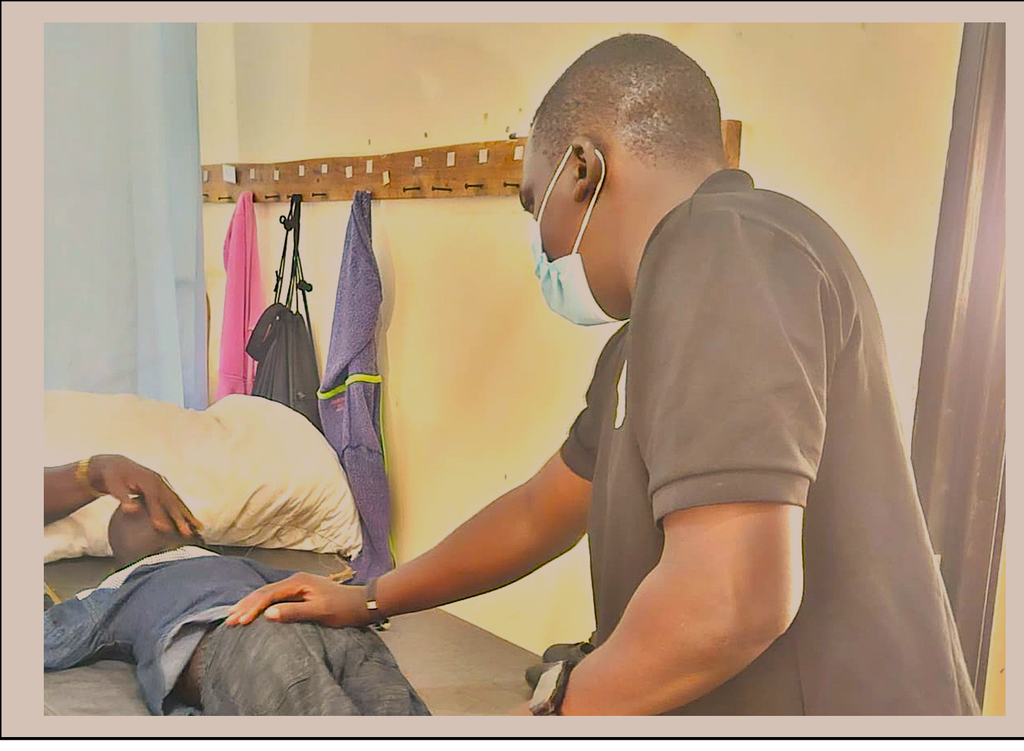
TIJOC Sunday – A celebration of Inclusion
Kasana Community Church has embraced the special needs community dedicating one Sunday per quarter to celebrating with them in God’s grace. On this day they lead the entire service, sharing testimonies, leading praise and worship. and the guest speakers address appropriate topics.
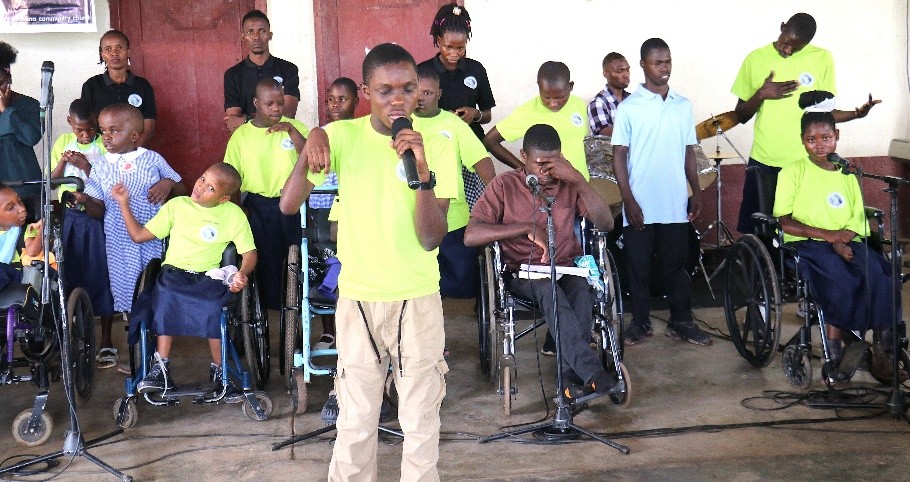
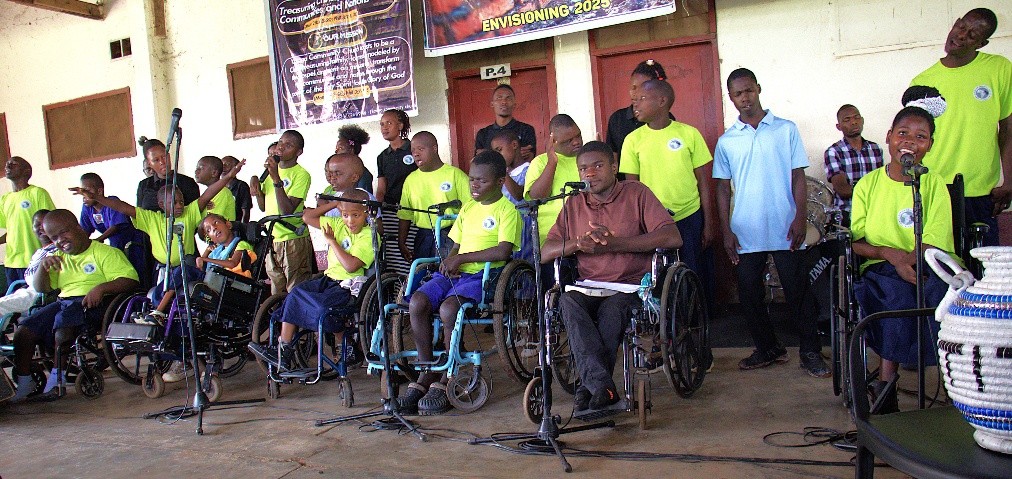
Parents/caretakers and staff join together afterward for a shared meal. This special Sunday not only uplifts the children but also raises awareness in the community, showing that children with special disabilities are capable, valued, and worthy of honor.
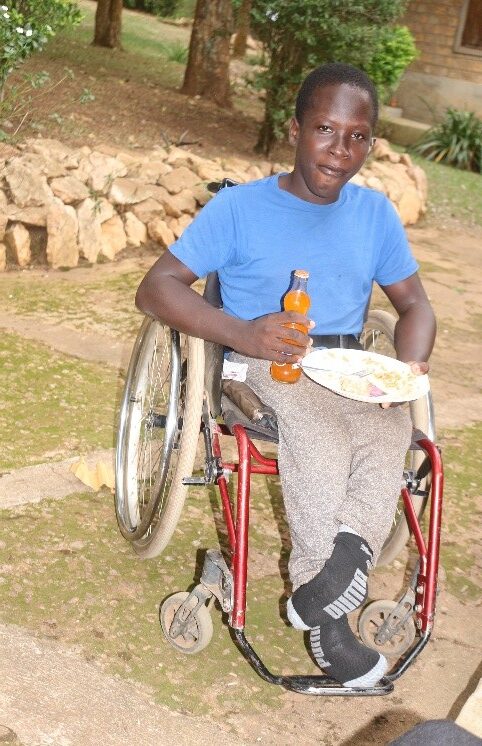
Every smile, every moment of joy and milestones achieved are made possible because of the generous New Hope Family. By considering the least of these, God’s kingdom is expanded, his glory is seen, and lives are changed.